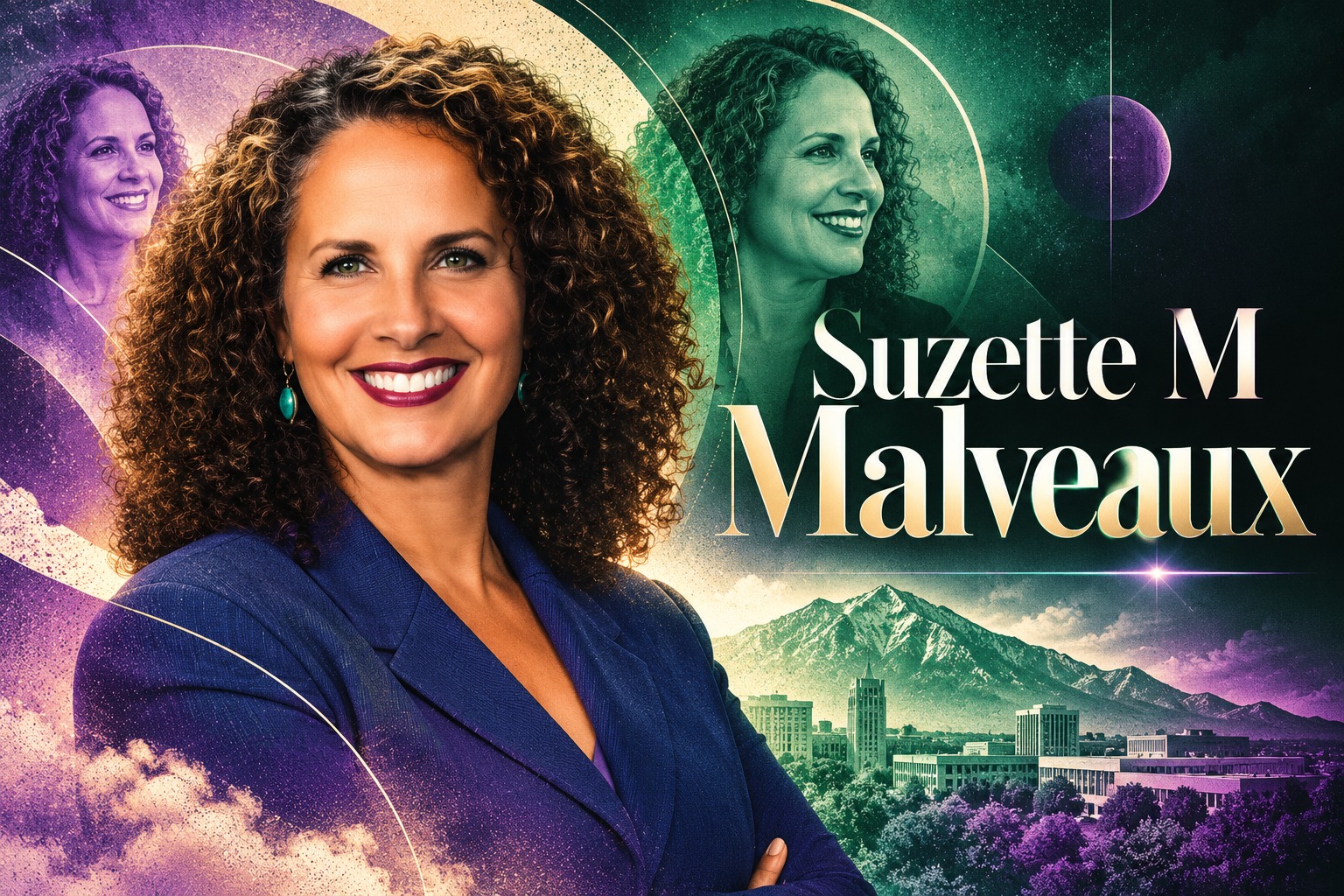
From Legal Practice to the Classroom
Suzette M. Malveaux is a civil-rights lawyer and law professor whose career combines litigation, teaching, scholarship, and public commentary. Born on December 4, 1966, in Lansing, Michigan, she comes from a Louisiana Creole family. I find her biography especially compelling in the continuity between practical legal work and the questions she later brought into academic life.
Her work has addressed class actions, civil procedure, and the ability of people to pursue civil-rights claims. In 2024, she joined Washington and Lee University School of Law as the Roger D. Groot Professor of Law. That appointment belongs to a longer teaching career that began after years of legal practice, rather than marking her first involvement with the field.
Harvard NYU and a Federal Clerkship
Malveaux graduated magna cum laude from Harvard University in 1988. She earned her law degree at New York University in 1994, where she was a Root-Tilden scholar and an associate editor of the law review. These details identify both academic achievement and the specific legal training that preceded her work as an attorney.
After law school, she clerked for Judge Robert L. Carter of the United States District Court for the Southern District of New York. I regard that clerkship as an important early stage because it places her within the federal judicial system before her later litigation practice. The chronology moves from undergraduate study to law school and then to work with a judge.
The dates also give the career a clear foundation. Harvard in 1988 and NYU in 1994 are separate educational milestones. Her later professorships do not replace them; they build on an earlier period of training and professional experience. I find the sequence more useful than presenting her academic title alone.
Civil Rights and Class Action Practice
From 1995 to 1998, Malveaux worked at the Washington Lawyers’ Committee for Civil Rights and Urban Affairs. She then practiced at Cohen Milstein from 1998 to 2003, concentrating on class-action litigation. Those years supply the practical legal context for subjects that later became central to her teaching and writing.
Her major-case involvement has included Wal-Mart Stores, Inc. v. Dukes, the employment-discrimination class action, and litigation concerning survivors of the Tulsa Race Massacre. I see these as distinct examples of the relationship between individual injuries and attempts to seek legal remedies through larger proceedings.
The case names should not be turned into claims that Malveaux alone controlled their outcomes. Complex litigation involves teams, clients, courts, and extended procedural histories. Her involvement is meaningful without that exaggeration. It identifies the legal settings in which her civil-rights and class-action expertise has been applied.
A Teaching Career Across Four Law Schools
Malveaux entered academia at the University of Alabama School of Law in 2003. In 2006, she joined the Columbus School of Law at the Catholic University of America, where her responsibilities later included academic leadership. These appointments mark the transition from full-time practice to a career that placed legal analysis and student learning at its center.
At the University of Colorado Law School, she held a senior civil-rights law professorship and directed the Byron R. White Center for the Study of American Constitutional Law. I find the center role significant because it connects her teaching with an institutional setting for constitutional discussion and public engagement.
Her 2024 move to Washington and Lee continued that academic trajectory. The Roger D. Groot Professorship is a named position, and its inclusion gives the later biography a concrete milestone. Alabama, Catholic University, Colorado, and Washington and Lee each belong to separate stages of a teaching career extending over more than two decades.
Scholarship and Public Explanation
Malveaux coauthored Class Actions and Other Multi-Party Litigation: Cases and Materials, with editions appearing in 2006 and 2012. Her writing also includes law-review scholarship on civil procedure and civil rights. I see these publications as a bridge between the cases she has worked on and the legal questions students and other readers encounter in organized form.
She is a member of the American Law Institute and has held leadership responsibilities in academic legal organizations, including civil-procedure activity within the Association of American Law Schools. These roles place her in continuing professional discussion beyond one university classroom.
Public commentary has included appearances on CNN, MSNBC, and PBS NewsHour, along with discussion of class actions and Supreme Court matters. The broadcasts add another audience for her work. I would describe this as explaining legal issues publicly rather than treating television appearances as a separate entertainment career.
Floyd and Myrna Malveaux
Her father, Dr. Floyd Joseph Malveaux, was born on January 11, 1940, and died on January 9, 2020. An immunologist and allergist, he served as dean of Howard University’s medical school and worked on asthma-related public-health initiatives. His career brings medicine and academic leadership into the family history.
Her mother, Myrna Maria Ruiz Malveaux, was an early-childhood educator from New Orleans and died in 2018. I find the parents’ occupations a particularly clear way to describe the household’s broader background: medicine, public health, and education, followed in the next generation by law, journalism, and higher-education work.
Floyd’s parents were Delton and Inez Malveaux. Naming this earlier generation helps locate the family’s Louisiana roots without reducing heritage to a general label. The family account spans several fields of professional work, but each person’s career remains individually identifiable.
A Twin Sister and Two Brothers
Suzette’s identical twin sister is broadcast journalist Suzanne Maria Malveaux. Suzanne became known through her long CNN career and studied at Harvard and Columbia. I keep the first names distinct because their similarity and twin relationship can cause confusion: Suzette is the lawyer and professor, while Suzanne is the journalist.
Their brother Courtney M. Malveaux is an attorney with regulatory and government experience, including service as Virginia Commissioner of Labor and Industry. Their brother Gregory F. Malveaux has worked in higher education, including international education and study-abroad programming. Together, the four siblings show several individual professional paths within one family.
FAQ
Is Suzette M. Malveaux the CNN journalist?
The CNN journalist is her identical twin sister, Suzanne Maria Malveaux. Suzette is the civil-rights lawyer and law professor. I find the distinction important because the two women share a birth date, close family ties, and similar names while having separate professional records.
Where did Suzette Malveaux receive her education?
She graduated magna cum laude from Harvard University in 1988 and earned her law degree at NYU in 1994. At NYU, she was a Root-Tilden scholar and law-review associate editor. She subsequently clerked for federal Judge Robert L. Carter before entering civil-rights practice.
What are the central subjects of her career?
Her work centers on civil rights, civil procedure, and class-action litigation. It includes practice at the Washington Lawyers’ Committee and Cohen Milstein, involvement in major civil-rights cases, academic writing, and teaching at several law schools. Her 2024 Washington and Lee appointment is a later milestone within that continuing career.